5 Essential Plumbing Repairs Every Homeowner Should Know
Owning a home is great, but with it comes the responsibility of maintenance and repairs. Among these are common plumbing problems that can be frustrating, inconvenient, and sometimes lead to water damage. Knowing a few essential plumbing DIY skills not only saves you money but also empowers you to fix things faster, preventing problems from escalating.
This blog post covers five simple plumbing repairs every homeowner should be familiar with. Before you get started, let’s go over some safety tips and must-have tools.
Safety First
Turn off the water supply: Before starting any plumbing repair, always locate the nearest water shut-off valve and turn it off. This will prevent flooding accidents.
Protect your eyes: Wear safety glasses when working with any tools, especially when dealing with pressurized pipes or chemicals.
Be mindful of electricity: If your repair involves plumbing near electrical outlets or appliances, turn off the power at the breaker box for safety.
Essential Plumbing Toolkit
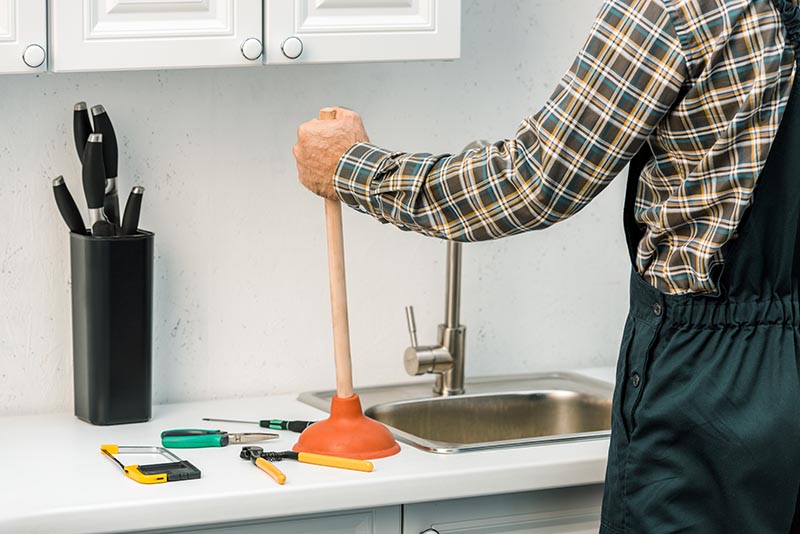
Plunger: Your best friend for basic clogs.
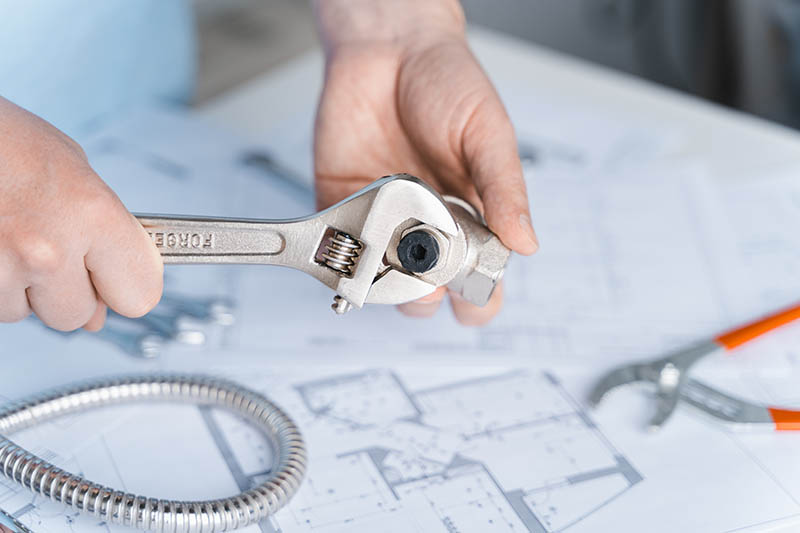
Adjustable wrench: A versatile tool for loosening and tightening nuts and bolts.
Tongue-and-groove pliers: Provides excellent grip for various plumbing tasks.
Basin wrench: Designed for reaching hard-to-access nuts and bolts under sinks.
Plumber’s tape: Creates watertight seals on threaded connections.
Drain cleaner: Consider natural, enzyme-based cleaners for less harsh options.
Now, let's dive into the 5 must-know repairs
1. Fixing a Leaky Tap
The constant drip, drip, drip… it’s annoying and wasteful! A leaky faucet is often caused by a worn-out washer inside the tap. Here’s the fix:
Turn off the water: Locate the shutoff valves under the sink and turn them off.
Disassemble the tap: Carefully remove the handle, noting the order of parts for reassembly.
Replace the washer: The worn washer is usually located at the base of the faucet stem. Replace it with a new one of the same size.
Reassemble and test: Put the faucet back together and turn on the water shutoff valves. Test for leaks.
2. Unclogging a Drain
Clogged drains are a major nuisance. Before resorting to harsh chemicals, try these techniques:
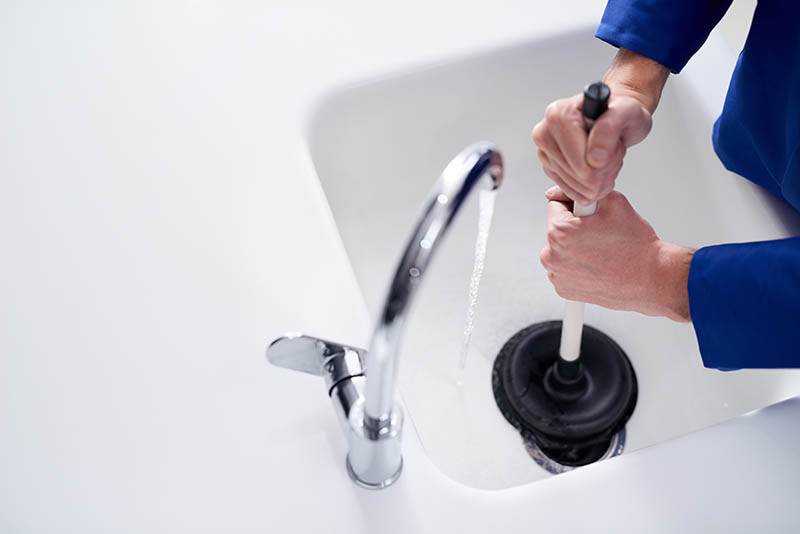
The mighty plunger: Often the simplest solution – create a tight seal over the drain and plunge vigorously.
Baking soda and vinegar: Pour ½ cup baking soda down the drain, followed by ½ cup white vinegar. Let it fizz for 15 minutes, then flush with hot water.
Plumber’s snake: A flexible tool for tougher clogs further down the pipe. Feed the snake down the drain, twisting to break up the clog.
3. Repairing a Running Toilet
A running toilet wastes a surprising amount of water. The most common culprit is a faulty flapper valve. Here’s how to fix it:
Turn off the water and flush: Find the shutoff valve behind the toilet and turn it off. Flush to empty the tank.
Inspect the flapper: The flapper is a rubber seal at the bottom of the tank. If it’s worn or not sealing properly, replace it with a new one.
Check the float: The float controls the water level in the tank. Adjust it if necessary, so it doesn’t allow the tank to overfill.
Test your work: Turn the water back on and flush. If the toilet still runs, you might have a more complex issue that requires a plumber.
4. Fixing Low Water Pressure
Low water pressure makes showers a drag! A common cause is a clogged shower head or tap aerator. Here’s the solution:
Remove the shower head or aerator: The aerator is the screened tip of your tap.
Clean out debris: Soak the parts in a vinegar solution to dissolve mineral buildup. Scrub gently with a small brush if needed.
Reassemble and test: Put everything back together and check the water pressure.
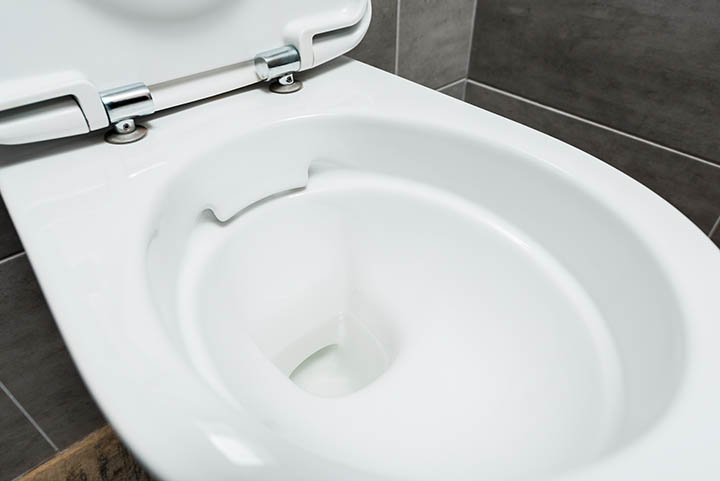
5. Fixing a Clogged Toilet
Clogged toilets can range from minor inconveniences to plumbing emergencies! Before reaching for harsh chemicals, try these techniques:
The Plunger: Your first line of defence. Create a good seal over the drain opening and plunge with steady, forceful strokes.
Baking Soda and Vinegar: Pour ½ cup baking soda down the drain, followed by ½ cup white vinegar. Let the mixture sit for 15-30 minutes, then flush with hot water.
Plumber’s Snake: For stubborn clogs, a drain snake (or auger) might be needed. Insert the snake into the drain and twist it as you push and pull to break up the clog.
DIY Drain Cleaner: For tougher clogs, make a simple cleaner with 1 cup baking soda, 1 cup salt, and ½ cup white vinegar. Pour this down the drain and let it sit for at least 30 minutes before flushing with boiling water.
When to Call a Plumber
While these DIY repairs are great skills to have, there are times when calling a professional plumber is the best course of action:
Major Leaks | Recurring Clogs | Low Water Pressure Throughout Your Home | Complex Repairs
We use cookies to ensure that we give you the best experience on our website. If you continue to use this site we will assume that you are happy with it.